We’ve all heard about fiber before and eating more of it is good for us. Yet, so many Americans only eat about 15 grams per day (recommended 25g-35g). So why is fiber so beneficial for our health?
- Fiber is famous for its ability to regulate the bowels and prevent/relieve constipation.
- Promotes beneficial bacteria in the gut
- Helps maintain a healthy weight/lose weight
- Lowers the risk of heart disease and some types of cancers
- Helps manage blood sugar
- Promotes a feeling of fullness
There are two types of fiber: soluble and insoluble.
Soluble fiber dissolves in water to form a gel-like substance in your digestive system. This type helps slow digestion which helps regulate blood sugar levels, lower blood cholesterol and keep you fuller longer. Soluble fiber can also act as a prebiotic, potentially nourishing the good bacteria in your gut. Apples, avocados, berries, oatmeal, legumes and chia seeds are good sources of soluble fiber.
Insoluble fiber does not dissolve in water; therefore, it helps food move through your digestive system, promoting bowel movement regularity and preventing constipation. Whole grain products (wheat, brown rice, oats), quinoa, nuts, legumes, leafy greens like kale, and fruits with edible skins like kiwi.
It is important to include a variety of whole foods (whole grains, fruits, vegetables, legumes and nuts) in order to reach the daily recommended fiber intake (25-35g). Refined and processed foods are generally lower in fiber than whole grain, minimally processed foods. That’s because the refining process removes necessary nutrients and fiber from the whole food. Even though some foods have those nutrients added back in (enriched) after the process, the fiber is not included.
Some tips to increase fiber intake are:
- Opt for whole wheat bread and brown rice instead of white bread and white rice.
- Add a serving of fruits or vegetables to each meal.
- Eat whole fruits instead of drinking fruit juice.
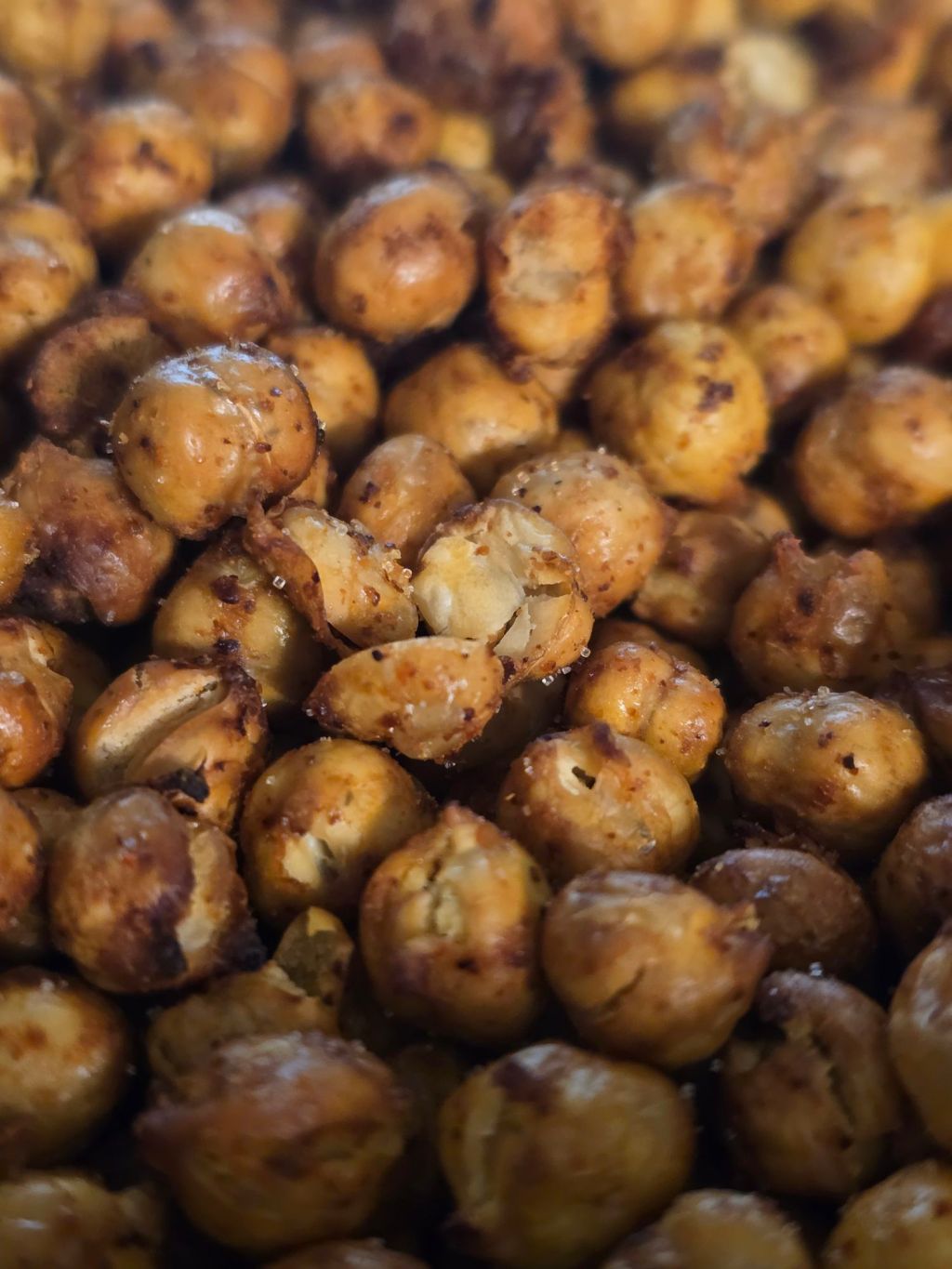
- Want something crunchy? Choose carrots, celery, nuts, roasted chickpeas, seeds or popcorn to munch on.
- Want something sweet? Add shredded veggies to cakes, cupcakes, brownies or muffins.
- Use applesauce instead of oil when baking (1:1 ratio).
- Choose cereals with high fiber, or add sliced bananas, strawberries or pomegranate seeds to your cereal.
- Add beans to your soup or salad.
While high-fiber foods are good for your health, it is important to incorporate them slowly to prevent gas, bloating and cramping. You should add fiber to your diet slowly, to allow your body to adjust to the increased fiber intake.
Resources
- The Nutrition Source. Fiber. Harvard T.H. Chan School of Public Health. https://nutritionsource.hsph.harvard.edu/carbohydrates/fiber/
2. Mayo Clinic Staff. (2024, December 11). Dietary fiber: Essential for a healthy diet. https://www.mayoclinic.org/healthy-lifestyle/nutrition-and-healthy-eating/in-depth/fiber/art-20043983#:~:text=Soluble%20fiber.,variety%20of%20fiber%2Drich%20foods.



 Becca Leigh Eats
Leave a comment