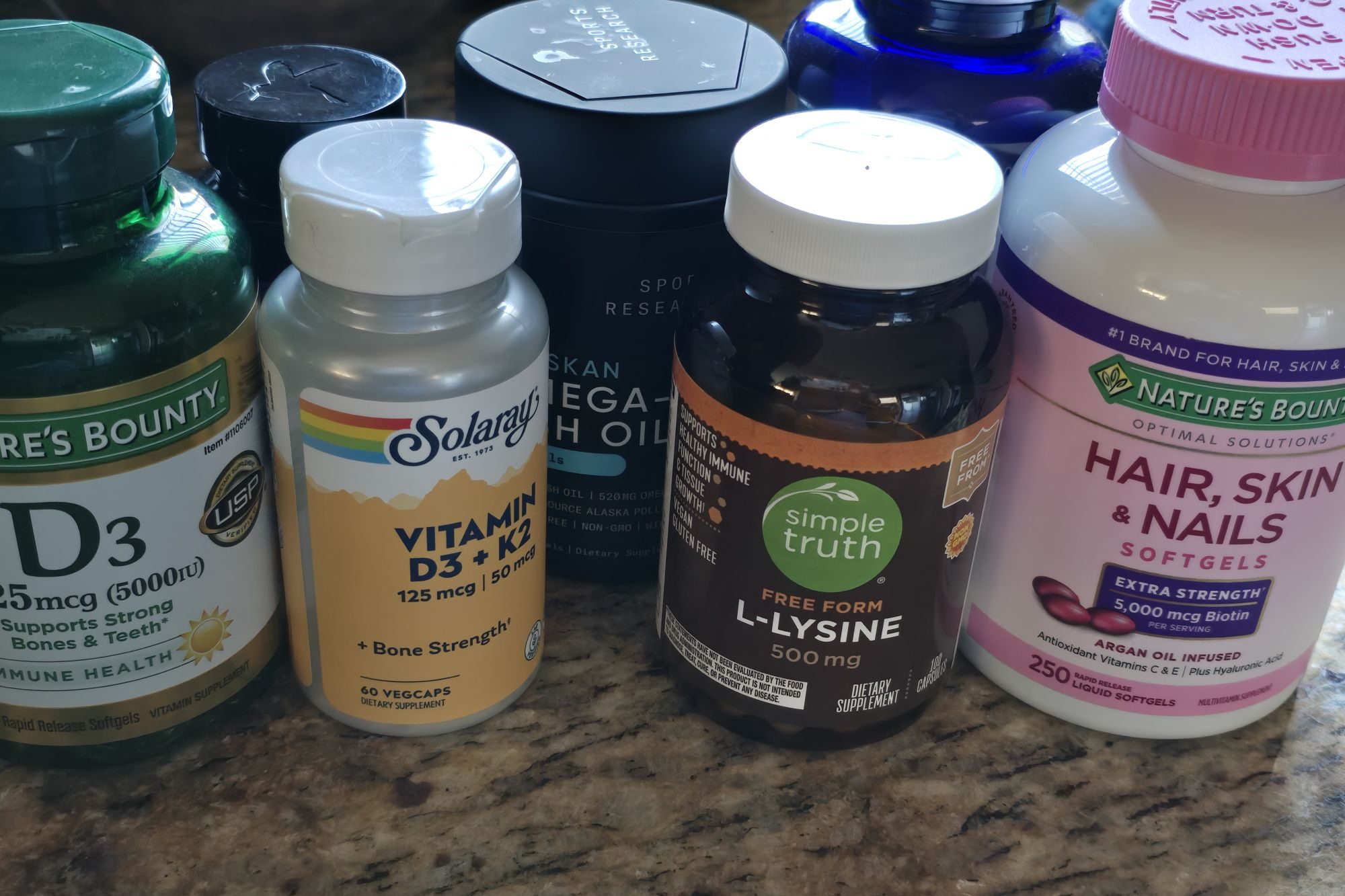
Vitamin supplements are found at any local, big box and online stores. They are a concentrated form of a specific nutrient that our body needs in some way to carry out daily metabolic processes. Many of us take vitamins, whether individually or in a multivitamin. I remember taking the Flintstone ones when I was a child – I can still taste them to this day.
But do you know why we take them?
- It has been ingrained in our heads that we need to?
- Our parents told us we had to?
- Our doctor recommended we take them?
- There was a flashy sale?
- You heard something on the media/read something that said will help you with a certain issue?
Whatever the case may be, majority of us have taken at least one vitamin supplement in our lifetime. So why the need for this post?
Well did you know that there is such a thing as TOO much vitamins in our body? I’ve never heard about it until I went to school specifically for nutrition.
Many times, the vitamin concentration in supplements is too high (exceeding recommended daily limits) and our bodies just do not need that much. The b vitamins are typically not an issue in a healthy individual, since they are water-soluble and we are able to rid the excess through our urinary system and urinate them out. That’s why our urine often turns a bright yellow, sometime after we consume a vitamin supplement. Now it’s the fat-soluble vitamins, A, D, E & K that we have potential issues with. These vitamins, we are not able to readily flush out and instead get stored inside our fat cells and liver for later use. If we continue to take an excessive amount of these vitamins every day for a long period of time, we are at risk of vitamin toxicity or hypervitaminosis. This can lead to harmful effects including but not limited to nausea, vomiting, diarrhea, fatigue, headache, bone pain, skin irritation and in severe cases kidney stones or heart and liver issues.
So, why do we need to take vitamins?
While supplements are not a replacement for a healthy diet, they do serve as a way to obtain necessary nutrients when one is lacking. They are best served to assist with:
- Filling nutritional gaps to those in developing countries, or those living within/below the poverty threshold
- Restrictive diets: Vegans, strict vegetarians, or low calorie, protein focused, ARFID, poor diets
- Specific life stages: pregnancy, elderly
- Malabsorption conditions: Celiac disease, GI issues, Crohn’s disease
- Medication interactions: Some medications affect the absorption rate or effectiveness of minerals and vitamins
- Addressing deficiencies: Diagnosed via blood tests
- Symptoms of inadequacy: Persistent fatigue or low energy levels
- Brittle nails, hair changes, skin issues
- Changes in mood or increased stress and anxiety
Generally, if you have a good diet and consume a variety of fruits, vegetables, nuts, seeds, whole grains, and protein sources, then you shouldn’t need to take a vitamin supplement, unless directed by your doctor.
If you are actively exhibiting one or more of the conditions above, it is best to ask your doctor whether or not you would likely benefit from a vitamin or multivitamin supplement.



 Becca Leigh Eats
Leave a comment