The desire for GLP-1 medications has skyrocketed outside of managing type 2 diabetes. In fact, the FDA has recently approved these medications for weight loss in those with obesity, who do not have diabetes.
While these medications can be very effective for weight loss, they do come with side effects (loose and sagging skin, nausea, vomiting, diarrhea, fatigue, headaches, etc.) along with high costs and accessibility.
While no herbal supplement can fully match or replace a prescription GLP-1, there are several natural plant compounds and fiber that may help your body modestly boost or support your GLP-1 activity with a lower upfront cost, easier availability without a prescription and a preference for a “natural” approach to health.
Curcumin (Turmeric):
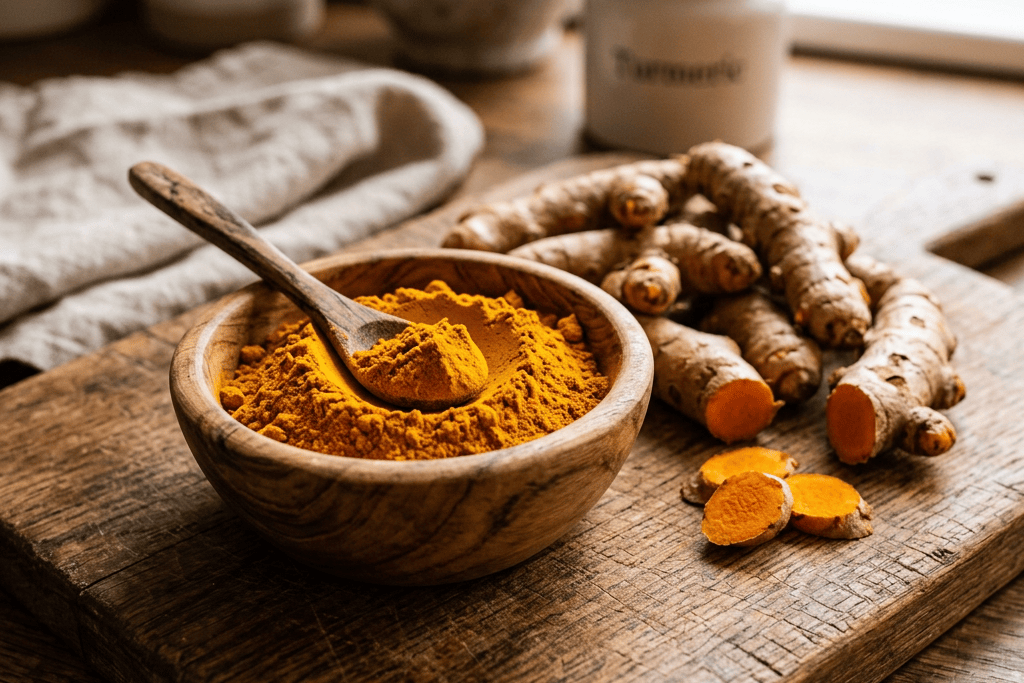
May improve blood sugar control by encouraging the release of GLP-1. May help lower fasting blood sugar, improve hemoglobin A1c, reduce insulin resistance and inflammation in people with type 2 diabetes or prediabetes.
Cons: Poorly absorbed on its own, consuming with black pepper and a source of dietary fat can increase how much your body absorbs. May interact with medications and lead to unpredictable drops in glucose–potentially leading to hypoglycemia and added insulin reducing effects when taken with other supplements.
Ginseng:
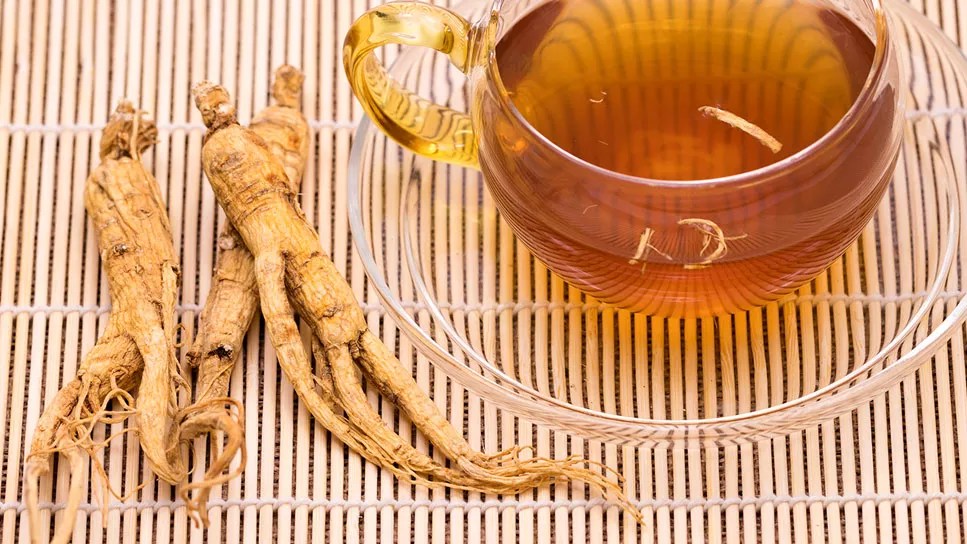
Traditional root extracts may boost GLP-1 release after meals and assist with overall metabolic health. There is potential for lowering fasting blood sugar, reducing blood sugar spikes after a carbohydrate-heavy meal, improve insulin sensitivity and enhance insulin secretion.
Cons: Risk of low-blood sugar when taken alongside diabetes medications, unpredictable glucose fluctuations, may interact with additional medications, may cause stimulant effects (nervousness, insomnia, headaches, fast heart beat).
Wild bitter gourd (Bitter melon):
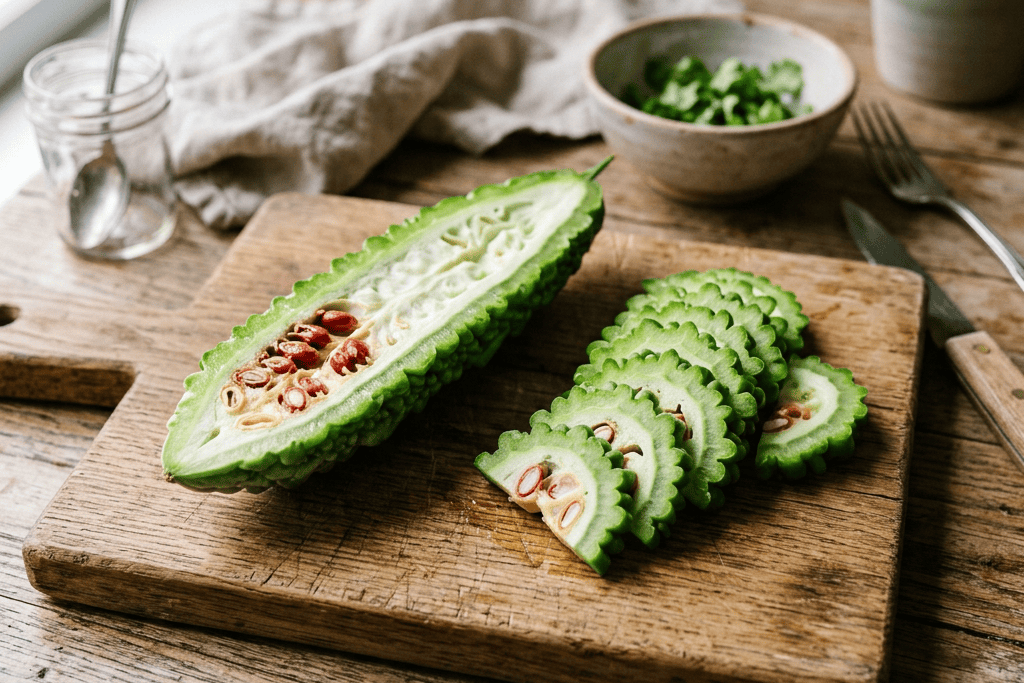
Potential has been shown in preliminary studies to increase GLP-1 level and improve blood sugar. With compounds similar to insulin-like action helping to bring glucose into cells for energy, better insulin sensitivity, slower sugar absorption, and may help lower post-meal glucose.
Cons: Risk of hypoglycemia, may interact with medications, unproven effectiveness by a clinically meaningful amount, vulnerability after fasting or surgery, severe reaction in children, digestive effect, G6PD deficiency and pregnancy dangers.
Psyllium (soluble fiber):
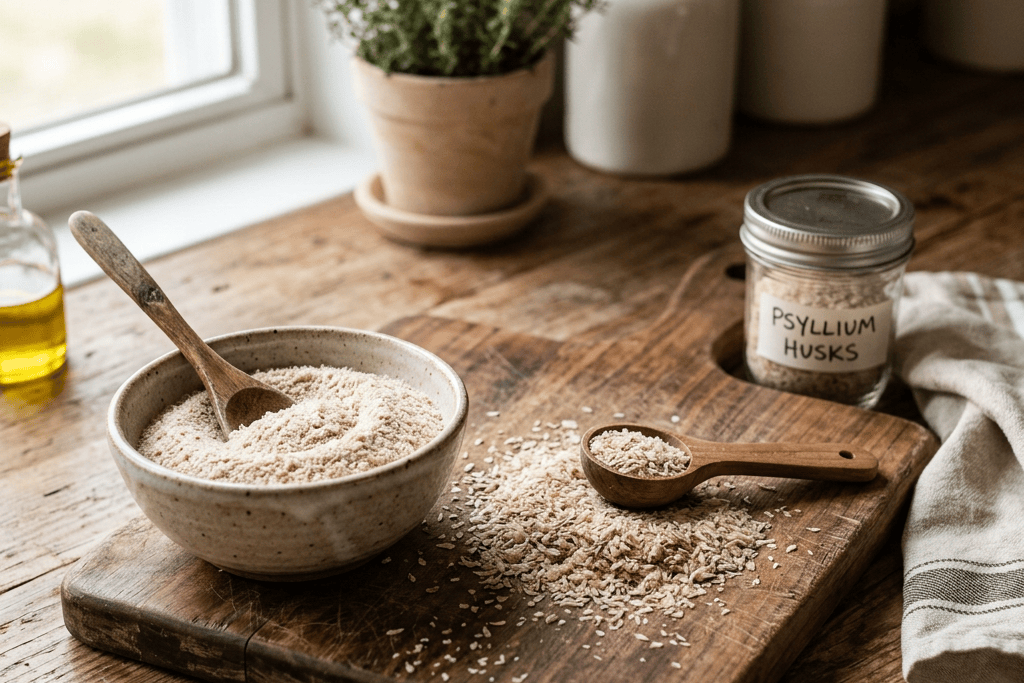
Daily psyllium husk or powder adds soluble fiber to your diet, which helps slow digestion and naturally triggers the release of gut hormones like GLP-1. Helps to stabilize blood sugar, lower HbA1c, reduce fasting glucose, improve insulin sensitivity and increase fullness.
Cons: Medication interference (may trap or delay absorption or oral medications, must space out medications 2 hours before or after psyllium consumption), risk of hypoglycemia when combined with glucose-lowering medications, gastrointestinal side effects, as well as hidden sugars and additives.
Ceylon Cinnamon:
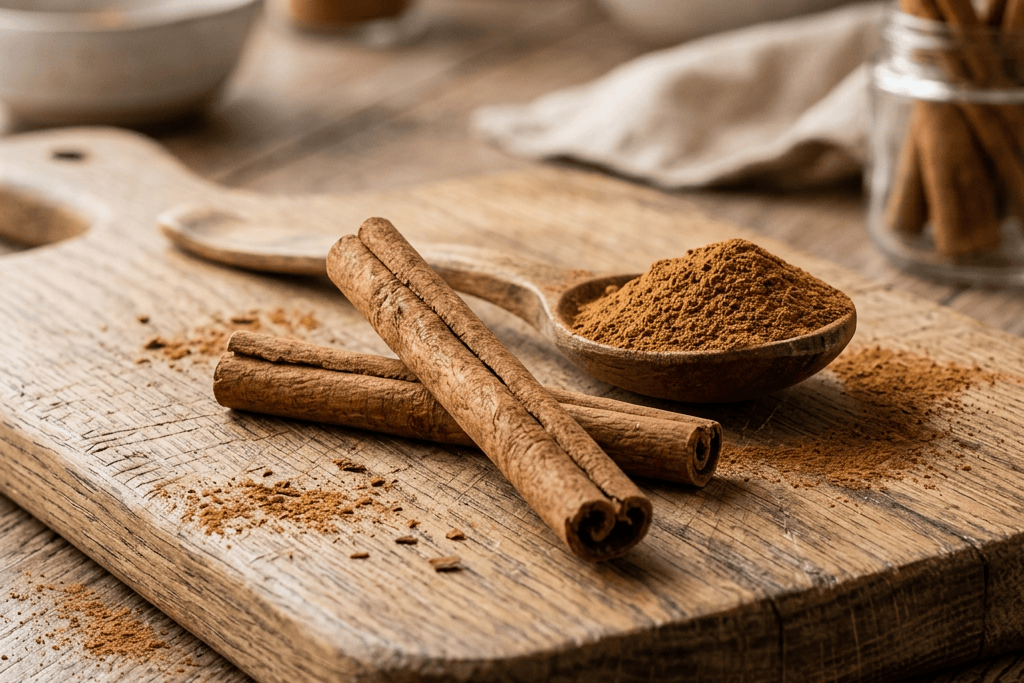
May modestly increase natural GLP-1 levels and lower post-meal insulin spikes. There is a potential for cinnamon to make your body’s cells more responsive to insulin, helping your cells use insulin more efficiently. It may also help prevent sharp blood sugar increases after you eat, lower fasting glucose, provide antioxidants.
Cons: Risk of hypoglycemia when taken in additional to diabetes medications, mixed results when used to treat or manage diabetes, liver damage from large amounts of cassia cinnamon, medication interactions and digestive and mouth irritation.
Caveats:
Milder effects: Natural options cause a brief rise in hormones, whereas prescription drugs are engineered to resist rapid breakdown in the body.
Limited/ Preliminary research: Many positive results come from animal trials or small human studies. More large-scale clinical trials are needed.
Safety: Supplements can interact with prescription medications, especially for diabetes or blood pressure.
Not FDA approved: Dietary supplements on the market are not FDA approved prior to being sold to consumers. Look for third-party verifications groups like NSF, USP, Informed Choice/Informed Sport and ConsumerLab.com.
Variable quality: Purity, labeling accuracy and dosage can vary widely between brands.
As always, talk with your healthcare professional before starting any new supplement.
This content is for educational and informational purposes only. It is not intended to be a substitute for professional medical advice, diagnosis, or treatment.





Leave a comment